What Is Voltage Source Converter . When the voltage source is connected with the resistance in series and it has to be converted into the current source than the resistance is connected in parallel with the current source as shown in the above figure. Voltage source inverter abbreviated as vsi is a type of inverter circuits that converts a dc input voltage into its ac equivalent at the output. Pyramid PS8KX Tools and Meters Power Supply Power from www.pyleaudio.com A voltage source inverter or vsi is a device that converts unidirectional voltage waveform into a bidirectional voltage waveform, in other words, it is a converter that converts its voltage from dc form to ac form. Vsc converters used for power transmission (or voltage support combined with an energy storage source) permit continuous and independent control of real and reactive power. The dc link is parallel capacitors, which regulate the dc bus voltage ripple and store energy for the system.
How To Find Voltage Across Each Resistor In Parallel
How To Find Voltage Across Each Resistor In Parallel. In parallel, by definition, means that the resistors all are connected between the same two nodes. In a parallel circuit, the voltage drop across each resistor will.
How To Find Voltage Drop In A Series Circuit Wiring Diagram from www.ekocraft-appleleaf.com
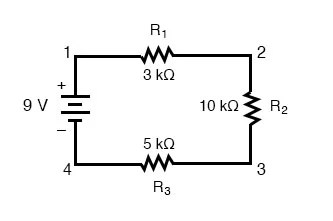
Basic rules voltage is the same across each component of the parallel circuit. Where, i = current through the resistor in (a) ampere. To calculate voltage across a resistor in a series circuit start by adding together all of the resistance values in the circuit.
Voltage For Resistor R3 = 0.00098A X 4.7Kω = 4.6V.
You can see a listing of all my videos at my websi. Since the voltages across all the parallel elements in a circuit are the same (e = v1 = v2=v3), we have: Voltage for resistor r1 = 0.00098a x 33ω = 0.032v.
And Then We Know The Current, Next Step Would Be To Calculate The Voltage.
If we go back and we find this split as parallel resistors, then the voltage is the same. Series circuit or series network signifies cases where a pair of or more electric parts are tied up with each other in a string like set up inside a circuit. As parallel connection all are independent and takes current as need.
+ 1/R N In Terms Of R N, Given That You Know The Desired Overall Resistance.
Shows how to calculate the voltages, resistances and currents in circuit containing resistors in parallel. Voltage in a circuit is measured between two nodes. When we go back, if the resistors split as series, then we know the current must be the same.
Let's Say A Circuit With Two Parallel Resistors Is Powered By A 6 Volt Battery.
The sum of the currents through each path is equal to the total current that flows from the source. Basic rules voltage is the same across each component of the parallel circuit. If resistors are connected between the same two nodes, the voltage across each resistor is the same, and the resistors are in parallel.
Current Divider Rule Is Only Applicable For Two Resistors When Many Resistors Are Connected In Parallel Some Other Methods Will Be Applied To Find Each Current Value.
For this example, the voltage drop is given v = 5 a x 15/7 ω = 75/7 v. Once you have the current calculate voltage for the individual. The voltage drop across resistors in parallel is always the same.


Comments
Post a Comment